
Where's the site?
Wind speed varies significantly across Australia, with local conditions influenced by topography, surrounding terrain, and shielding from nearby buildings. Pin the exact site so we can determine the correct regional wind speed and terrain category for your project.
Three ways to set the location: type an address into the search, paste in latitude/longitude, or just click anywhere on the map to drop a pin.
Tip: if you've got Google Maps or a survey plan with exact coords, paste them in — the address search rounds to the nearest building, which can be a few metres off.
How tall is the building?
Wind speeds up the higher you go. A house at 3 m gets a much gentler push than a building at 30 m, so we need the height to figure out the right design load.
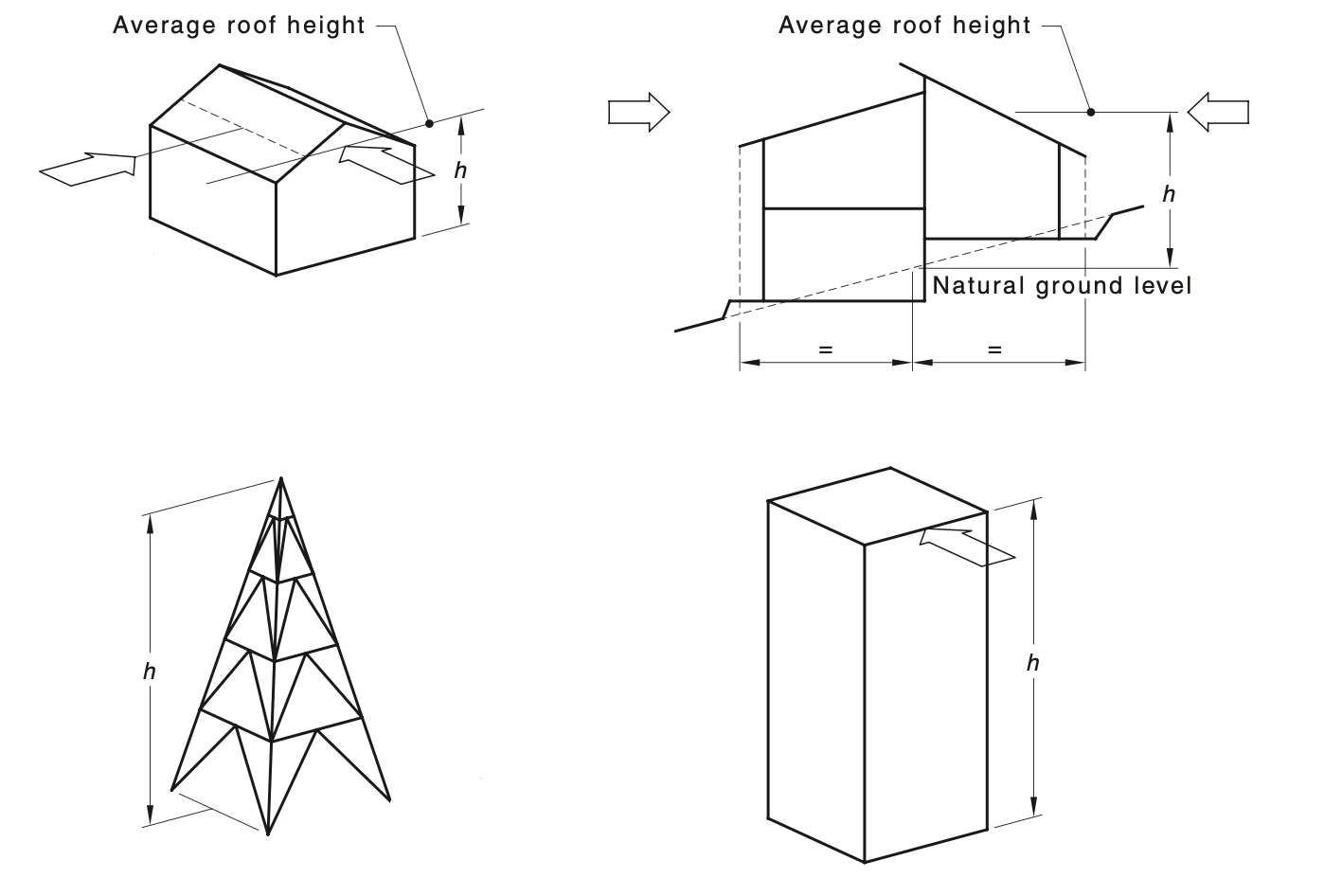
Enter the height from the ground to the very top of the roof (the ridge or apex) — not the eaves. For non-buildings (masts, monopoles, towers, silos), use the overall structure height — top of the structure above ground.
Most single-storey homes are around 4 – 5 m to the ridge, and most two-storey homes are around 6 – 7.5 m. Pick the preset that's closest or punch in an exact number if you have one.
Heights above 8.5 m fall outside AS 4055's scope, so the report will be produced under AS/NZS 1170.2 instead.
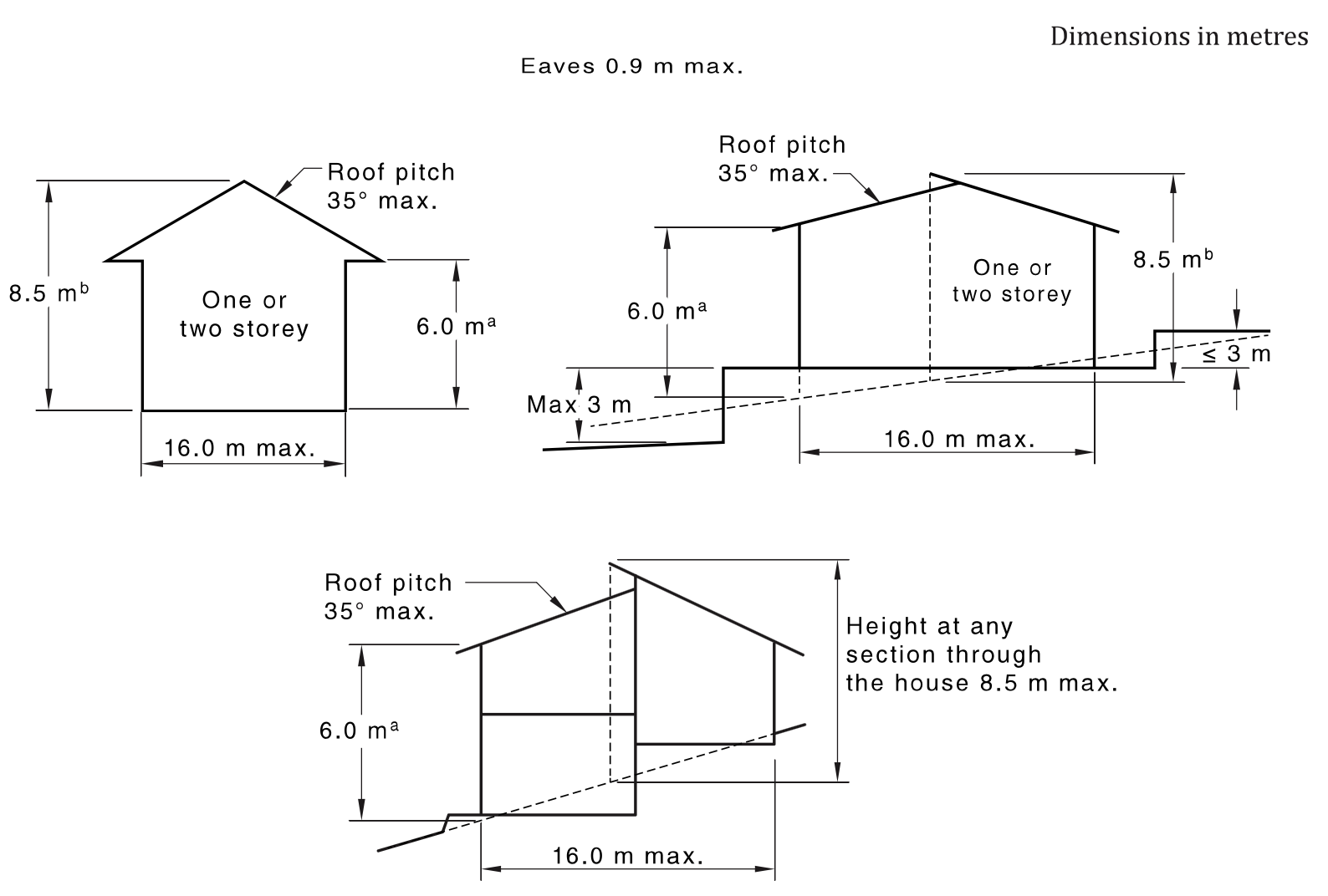
AS 4055 Fig. 1.1 — housing within scope (≤ 8.5 m, ≤ 16 m wide, ≤ 35° pitch).
AS/NZS 1170.2 Fig. 2.1 — reference height of structures.
Range: 1 – 200 m
Pick your standard
Wind reports follow different rule books depending on what you're designing. Pick the one that fits your project — we'll do the rest.
AS 4055:2021 — Houses
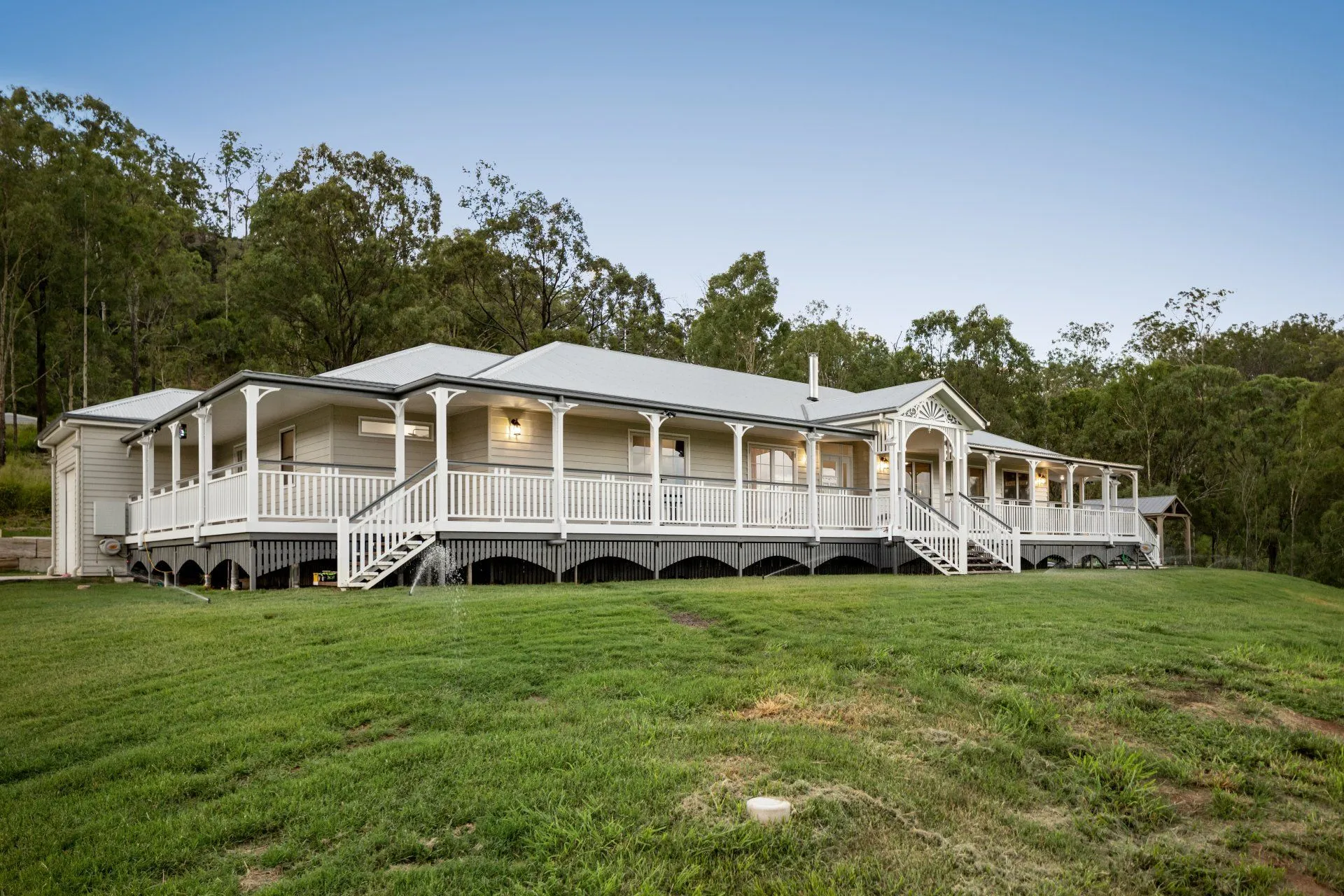
Pick this for single- or two-storey homes up to 8.5 m tall. You get one overall wind class (e.g. N2, C2) — that's the single number truss, bracing, and tie-down designers use directly. Simpler in, simpler out.
AS/NZS 1170.2:2021 — Everything else
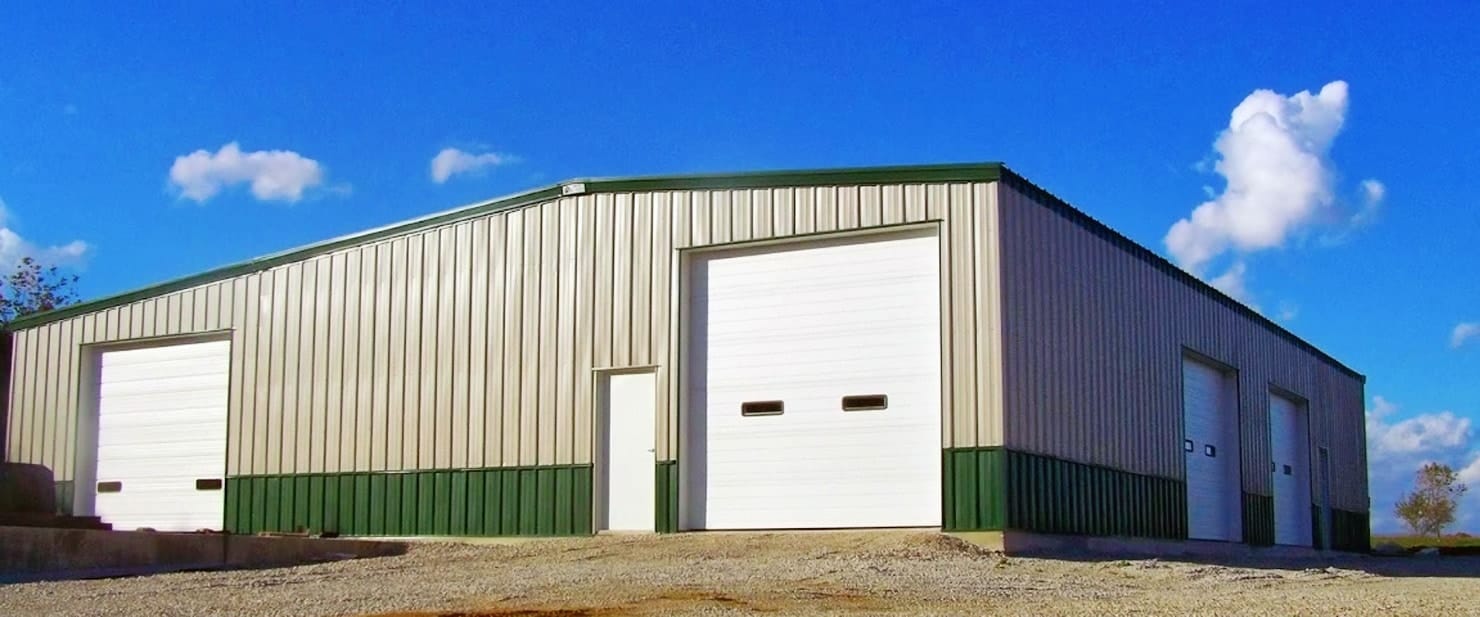
Pick this for anything that isn't a house: sheds, factories, masts, silos, walls, free-roofs, carports, towers — any structure, any height. You get the site wind speed plus per-direction multipliers your engineer plugs into pressure calculations.
 Building
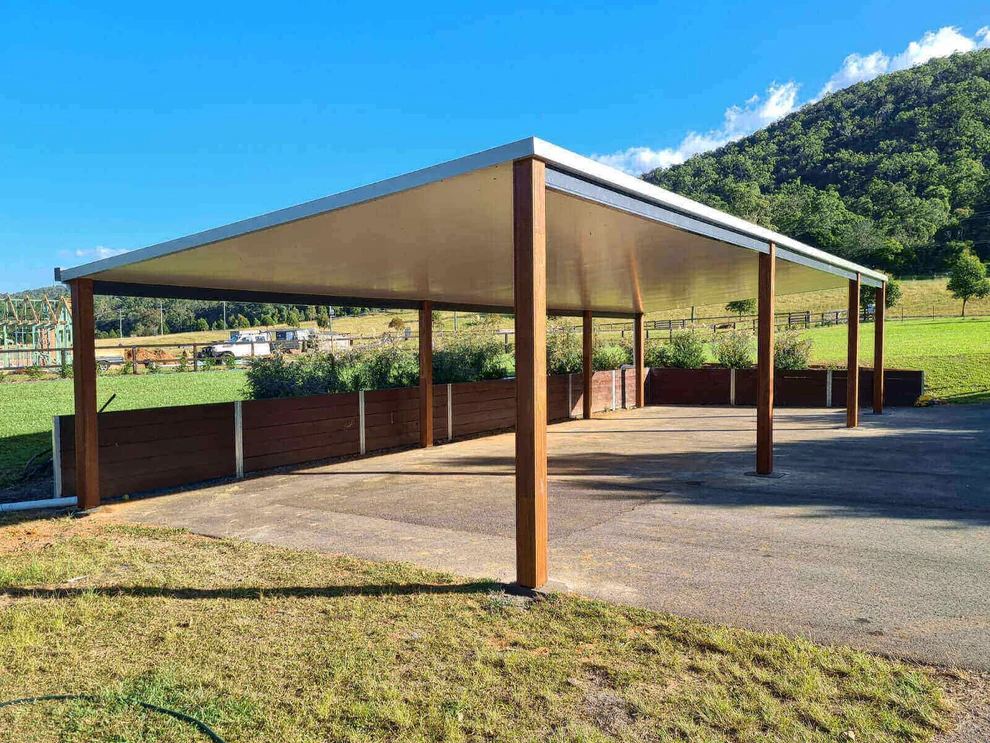 Free-roof
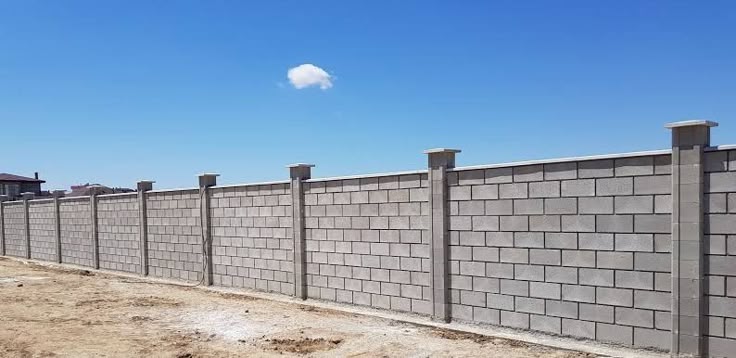 Wall
Wall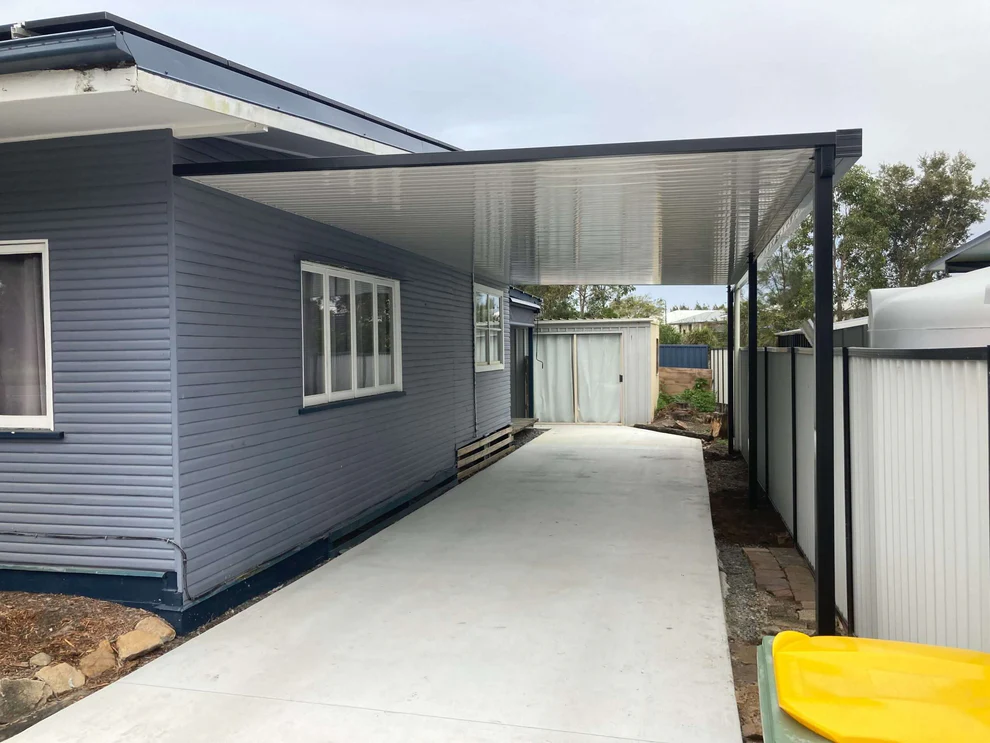 Attached carport
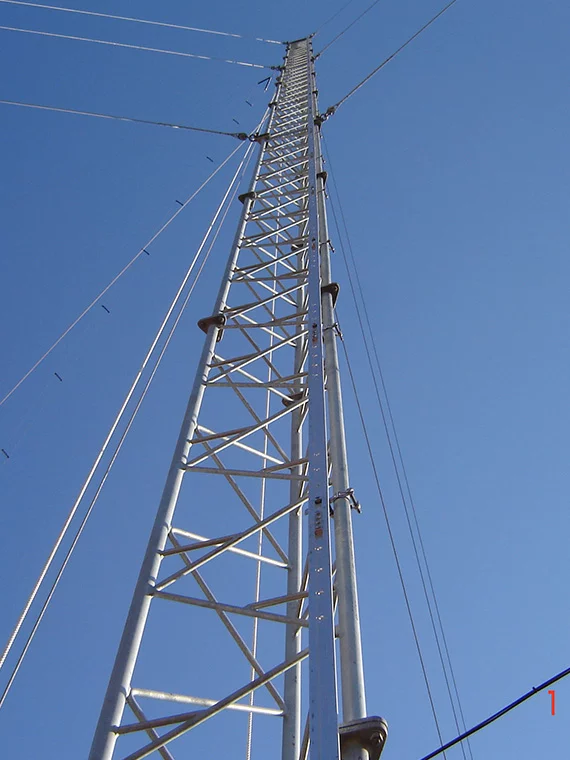 Mast
Mast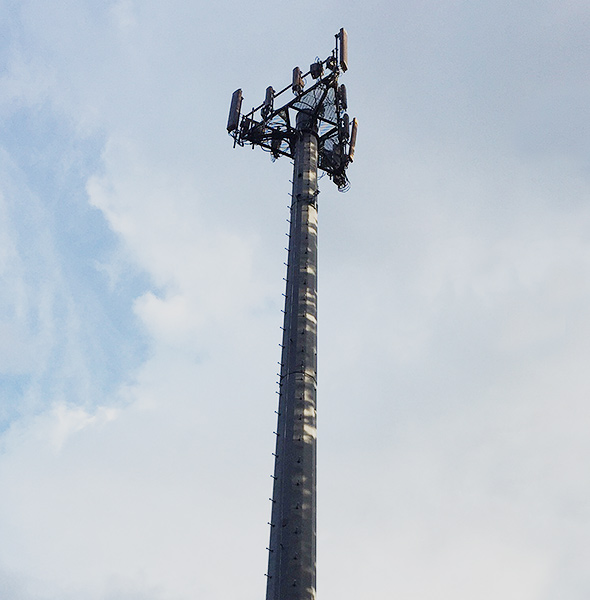 Monopole
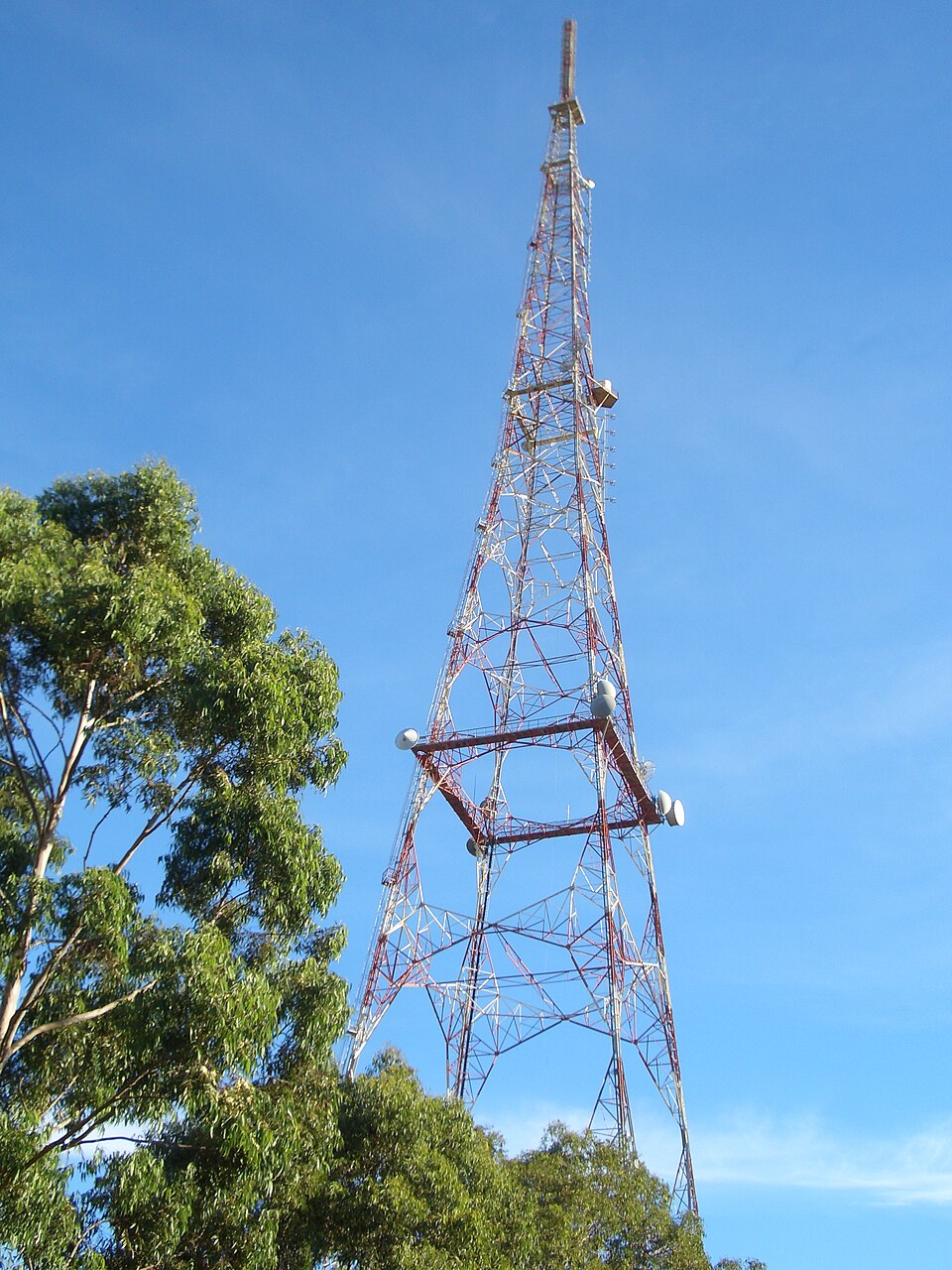 Tower
Tower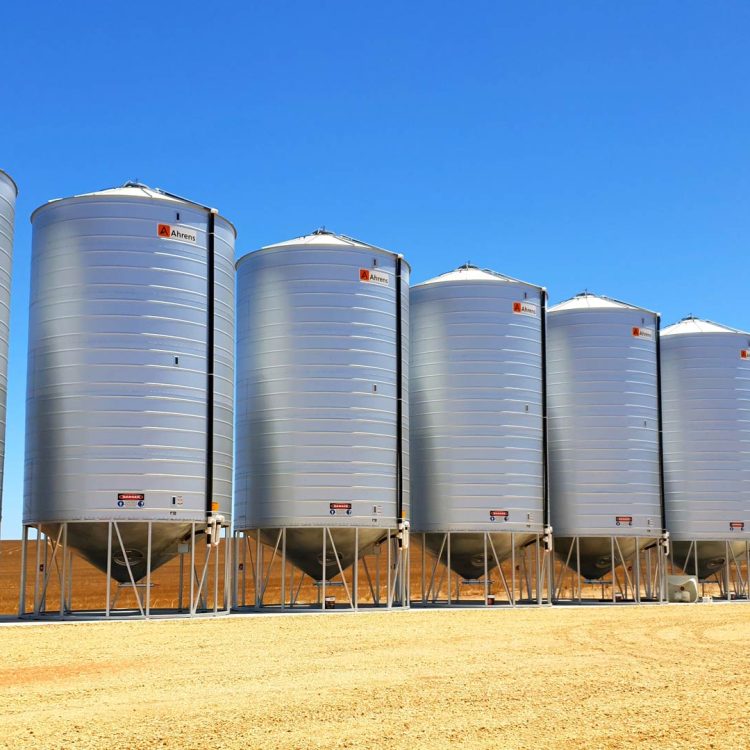 SiloBuildingFree-roofWallAttached carportMastMonopoleTowerSilo
Not sure? Use AS/NZS 1170.2:2021 — it covers everything AS 4055:2021 does and more.
Ready to generate
We'll run a full wind analysis on the site you picked and email you a PDF report once payment goes through. The report has everything an engineer or builder needs to start their pressure calculations — regional wind speed, terrain category, topography effects, and the relevant multipliers per direction.
The report is also available to download from the next page (and anytime after that via the link in the email).
One-time purchase — $25
No subscription, no recurring fees. Pay once per report. Payment is handled by Stripe; we don't see your card details.
Check the summary on the right matches what you intended. You can use the Back button to adjust anything before paying.
Auto-filled from the location you picked. Edit if needed — this is what appears on the cover of the report.